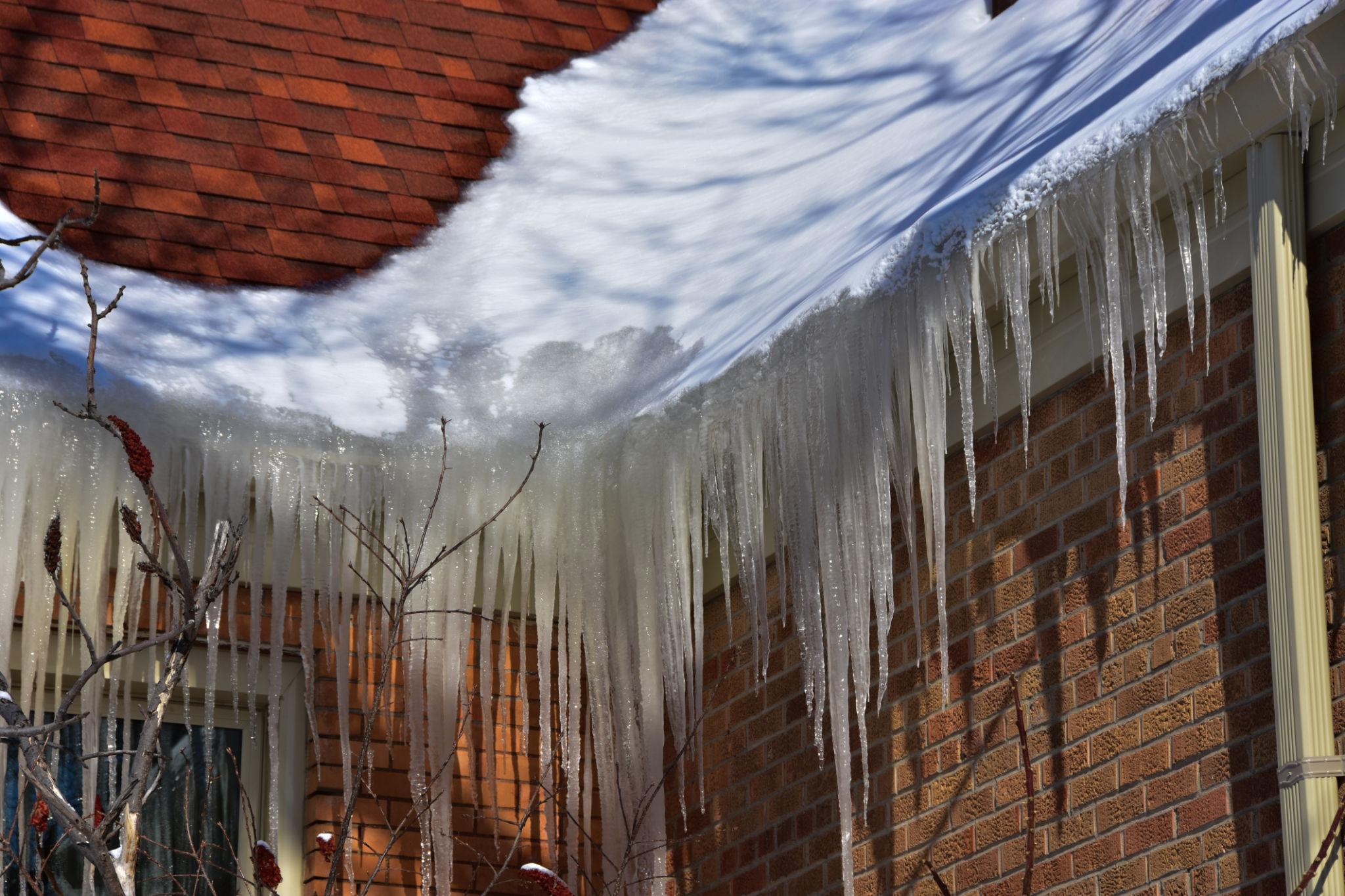
When your house looks like a Christmas card — thick snow on the roof and long icicles hanging from the gutters — it might feel cozy.
It’s not!
Those icicles are often the first warning sign of an ice dam, and ice dams quietly destroy roofs, insulation, drywall, and framing every winter across the Midwest.
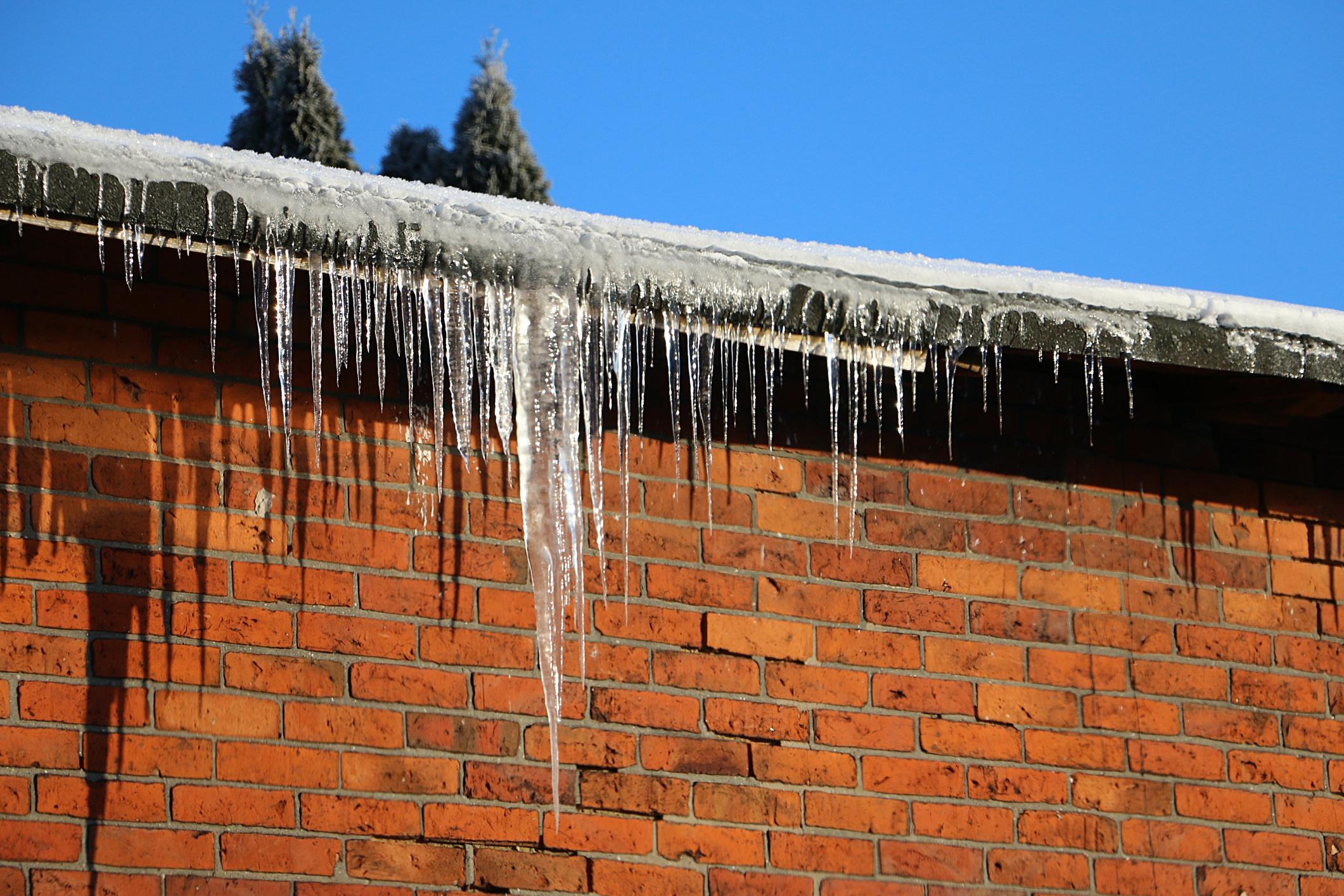
What Is an Ice Dam?
An ice dam forms when:
Heat escapes into your attic
That heat melts the snow on your roof
The melted water runs down to the colder roof edge
It refreezes at the eaves
Ice builds up and traps more water behind it
That trapped water has nowhere to go — so it backs up under your shingles.
And shingles are not waterproof. They are water-shedding.
When water flows the wrong direction, your roof loses.
Why Icicles Are a Warning Sign
Small icicles aren’t a big deal.
But thick, heavy icicles along the entire gutter line usually mean:
Heat is escaping your home
Snow is melting unevenly
Ice is forming at the roof edge
In other words: your attic is too warm.
A properly insulated and ventilated home should have a cold attic in winter. When the attic stays cold, snow doesn’t melt unevenly — and ice dams don’t form.
The Damage Ice Dams Cause
Ice dams don’t just cause a small drip.
They can lead to:
Soaked attic insulation
Mold growth
Rotting roof decking
Interior ceiling stains
Damaged drywall and paint
Warped hardwood floors
Gutter damage from heavy ice loads
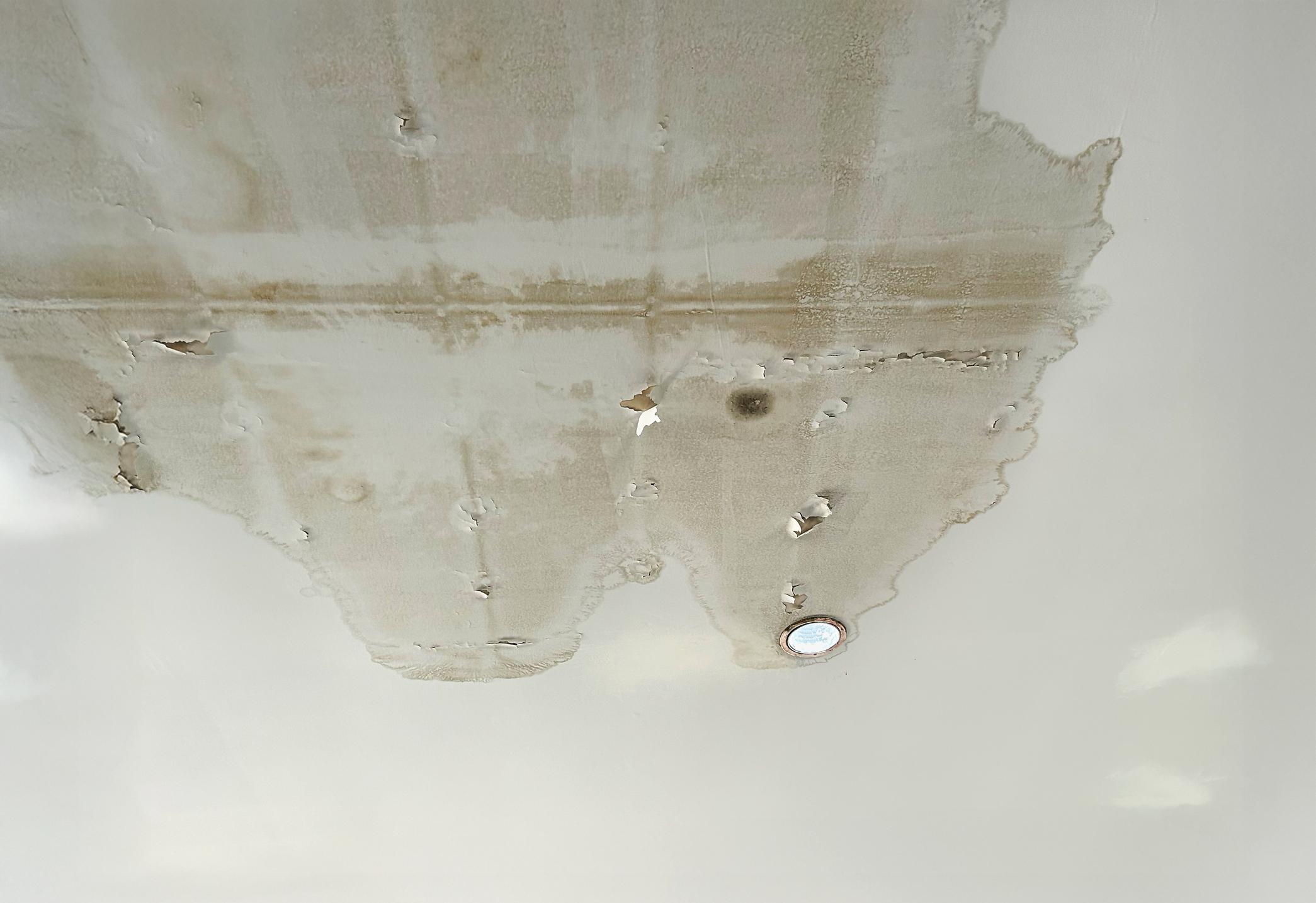
We’ve seen winter leaks turn into $10,000–$20,000 restoration projects by the time spring arrives.
And the homeowner often had no idea it was happening.
Why This Is NOT Just a Roofing Problem
Here’s what most people don’t realize:
Ice dams are usually caused by building science issues, not bad shingles.
The real culprits are:
Inadequate attic insulation
Poor ventilation
Air leaks around recessed lights or attic access points
Blocked soffit vents
Heat escaping from HVAC ductwork
You can replace shingles and still have ice dams if the root cause isn’t addressed.
That’s why simply “removing the ice” is a temporary fix.
What NOT to Do
When homeowners see heavy ice buildup, they often:
Chip at ice with a hammer
Climb onto a snow-covered roof
Try to pressure wash ice away
All three can damage shingles — or worse, cause serious injury.
Winter roof work is not DIY territory.
When Should You Call a Professional?
Call for an inspection if you notice:
Thick icicles across your entire gutter line
Ice ridges at the roof edge
Water stains on ceilings or walls
Dripping during freeze/thaw cycles
Snow melting unevenly on your roof
The earlier it’s evaluated, the less expensive it usually is.
The Right Way to Fix Ice Dams
A proper solution may include:
Improving attic insulation
Sealing air leaks
Correcting ventilation
Installing proper ice & water shield protection
Addressing damaged roofing components
The goal is simple:
Keep the attic cold and the roof surface consistent.
Fix the cause, not just the symptom.
Final Thought
If your home looks like a winter postcard, take a closer look.
Big icicles aren’t a decoration.
They’re often a warning.
A quick winter inspection can prevent a major spring repair.
If you’re concerned about ice buildup or interior leaks, schedule a professional evaluation before minor damage turns into a major restoration project.


READY WHEN YOU ARE
Free roof inspection, photo report, and clear next steps. No pressure or obligation, just the answers you need.